

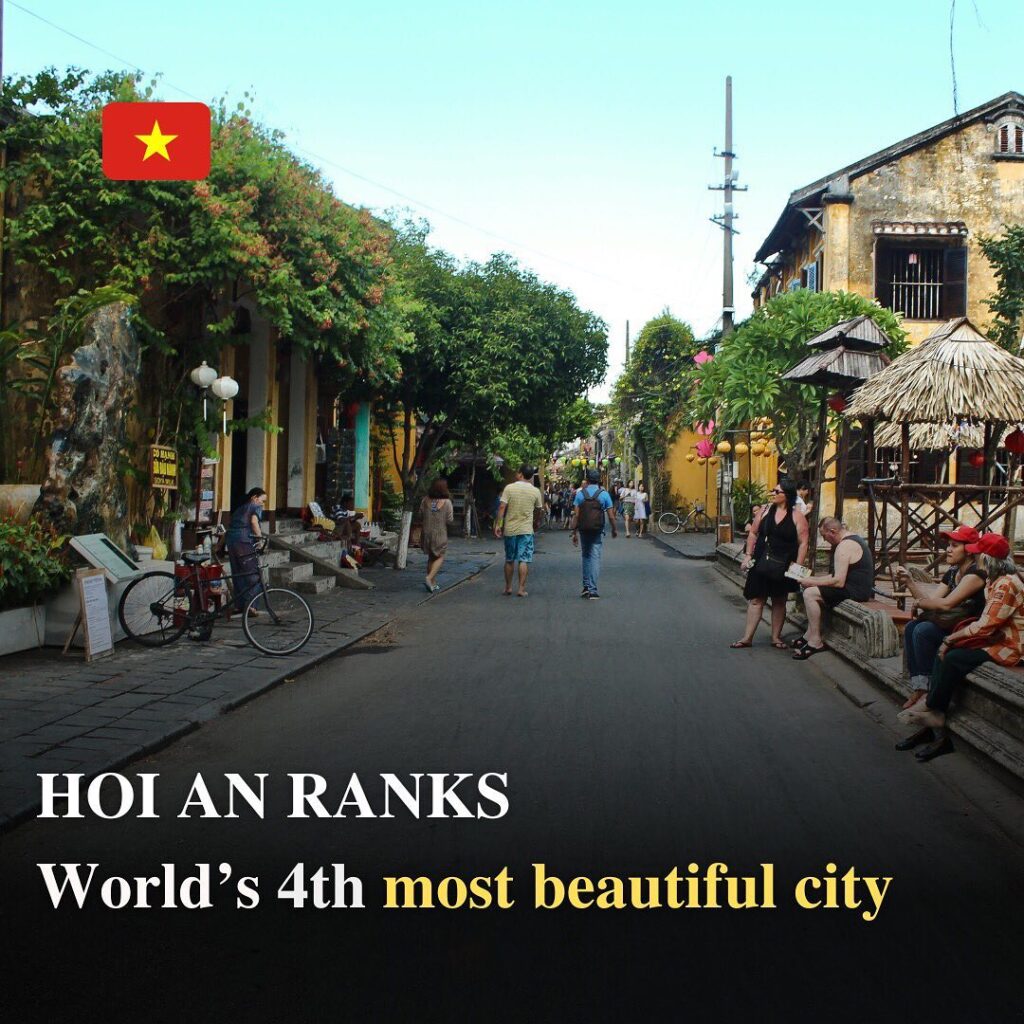
Weed in Hoi An remains fully illegal under Vietnamese law. The state classifies cannabis as a prohibited narcotic, equal in status to heroin and cocaine. As a result, authorities apply strict rules across the country, including in this small heritage town. Although small-scale personal use often results in fines and confiscation, farming, dealing, or trafficking can lead to long prison terms, life sentences, or even capital punishment in major cases.
Therefore, anyone researching weed in Hoi An must understand that the legal system leaves little margin for error. While curiosity exists because of tourism and global cannabis reform, the framework on the ground remains restrictive and highly punitive.
Vietnam’s Cannabis Law and What It Means in Hoi An
Vietnamese drug law does not separate “soft” from “hard” drugs. Instead, it lists cannabis and its preparations as prohibited narcotics. Consequently, there is no legal pathway for recreational or medical cannabis. That national position applies in Hoi An just as it does in larger cities.
Core Legal Principles
The law clearly prohibits:
- Possession of cannabis in any form
- Personal use or use
- farming of cannabis plants
- Sale, transport, or storage
- Processing or distribution
Moreover, the legal code makes no exception for medical cannabis. Unlike jurisdictions that permit controlled prescriptions, Vietnam bans cannabis for therapeutic purposes. Therefore, weed in Hoi An has no medical defense under domestic law.
Criminal Code Structure
Cannabis offenses fall under the same Criminal Code sections that govern heroin and methamphetamine. As a result, sentencing ranges can extend to decades in prison. In large-scale trafficking cases, courts may impose life imprisonment or the death penalty.
Importantly, the rules apply equally to Vietnamese citizens and foreigners. Nationality does not reduce exposure. Thus, visitors in Hoi An face the same legal consequences as locals.
fines in Practice: Fines for Users, Prison for Supply
Vietnam combines administrative fines with criminal prosecution. Hoi An follows this national pattern.
Administrative fines for Small-Scale Use
At the user level, enforcement often begins with administrative measures. If police catch someone consuming cannabis or holding a small quantity, authorities may issue:
- A formal warning
- A fine of approximately 2–5 million VND (US$80–200)
- Confiscation of cannabis and related items
In addition, authorities may require drug education or compulsory treatment programs in some cases. However, such outcomes remain discretionary. While small cases frequently avoid prison, the law still treats possession as an offense.
Therefore, weed in Hoi An carries legal exposure even when the amount appears minor.
Criminal fines for farming and Trafficking
fines escalate quickly once farming or distribution appears. Even a handful of plants can shift a case into criminal territory. Vietnamese reporting has highlighted cases in nearby Da Nang where small grows triggered fines and warnings, while larger operations could have resulted in multi-year prison sentences.
Trafficking, transporting, organizing group use, or selling cannabis exposes individuals to severe prosecution. Depending on quantity and circumstances, courts may impose lengthy imprisonment, life sentences, or capital punishment in extreme cases.
Legal commentary aimed at foreigners repeatedly warns that importing cannabis into Vietnam—even for personal use—may trigger trafficking charges. That can mean detention, investigation, deportation, or a permanent criminal record.
Thus, the distinction between “user” and “supplier” defines risk severity, but both remain illegal.
How Weed in Hoi An Appears on the Ground
Hoi An is small, socially tight, and heavily dependent on tourism. Consequently, drug activity remains discreet and low-profile.
Cannabis Private Networks and Word of Mouth
Any cannabis circulation tends to occur through trusted networks. Friends share information quietly. Expats or long-term visitors sometimes rely on personal introductions rather than street contacts.
Public venues, visible cafés, or open cannabis spaces do not operate legally in Hoi An. Therefore, anyone claiming to run a cannabis-friendly business does so outside legal protection and at high risk.
Tourism Influence
Curiosity about weed in Hoi An often stems from visitors arriving from countries where cannabis is legal or normalized. Wellness narratives about stress relief or sleep also influence interest. However, fear of enforcement shapes behavior.
Because Hoi An’s Ancient Town is compact and community ties are strong, visible drug activity attracts rapid attention. In such an environment, discretion becomes essential.
Conflicting “Cannabis Tourism” Claims
Some general travel content online suggests Vietnam tolerates cannabis cafés or social clubs. However, these claims conflict with Vietnamese law and detailed legal guidance. There is no lawful framework for cannabis venues in Hoi An. If any operate informally, they do so illegally and remain vulnerable to closure or arrest.
In practice, what occasionally appears—such as a quiet joint at a private homestay—exists only in highly discreet settings. Even then, participants accept significant legal risk.
Weed Social Attitudes in Hoi An
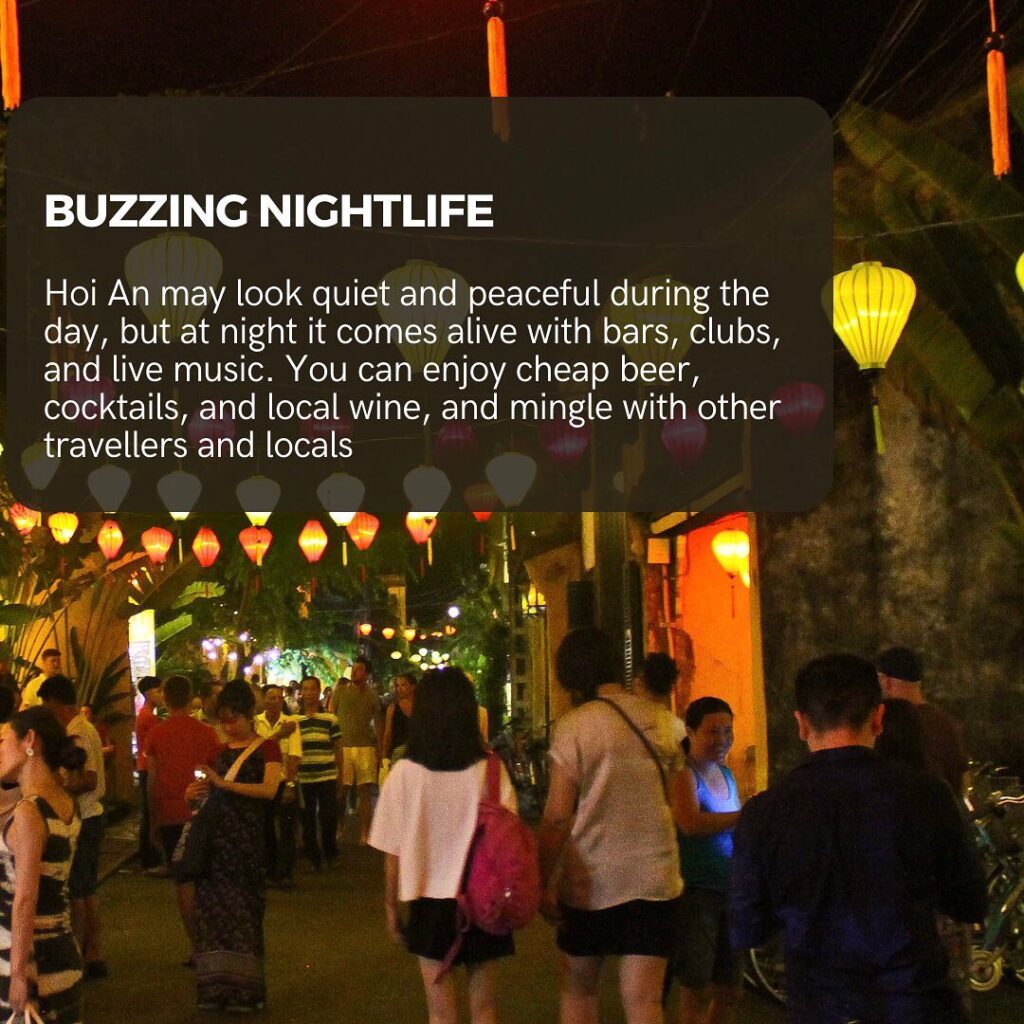
Legal risk intersects with cultural perception.
Conservative Cultural Norms
Older residents and authorities often associate cannabis with crime or social instability. Public association with drug use can damage personal reputation. In a town where business relationships and family networks matter, stigma spreads quickly.
Therefore, being labeled a drug user can affect employment, partnerships, or social standing.
International Influence and Younger Views
Younger tourism workers and internationally exposed residents may hold more nuanced opinions. Global media and legalization debates abroad shape private talks. However, even those with tolerant views remain cautious.
Thus, weed in Hoi An occupies a space of quiet curiosity rather than open advocacy. People discuss it privately, not publicly.
CBD, Hemp, and Wellness Products
CBD sits in a legally ambiguous zone.
Some regional commentary suggests hemp-derived CBD oil with very low THC may be sold in Vietnam. Industrial hemp itself is not categorically banned. However, other legal summaries emphasize that cannabis and its preparations remain prohibited narcotics.
Border Risk and Enforcement
Travel advisories consistently warn against bringing CBD oil, vapes, or edibles into Vietnam. Customs officials may not differentiate between CBD and THC products during inspections. Packaging or foreign prescriptions offer limited protection.
Therefore, from a risk perspective, travelers should assume that cannabis-derived products could be treated as illegal at the border.
Local Market Ambiguity
In Hoi An, you may encounter products marketed as “hemp” or “CBD” in wellness contexts. However, legal clarity remains uncertain, and enforcement may vary. Purchasing or importing such items carries potential legal exposure.
How People “Discover” Weed in Hoi An
A Hoi An–specific perspective frames cannabis discovery as social and educational rather than overtly commercial.
Word of Mouth
Individuals learn about cannabis through trusted peers. Social trust matters greatly in a compact city. As a result, information circulates quietly rather than publicly.
Private Settings
Exploration, if it occurs, takes place in homes or secluded spaces. Public use along the riverfront, beach, or lantern-lit streets is highly risky. Therefore, visible smoking is uncommon.
Online Research and Wellness Framing
Some residents and expats research strains, effects, or harm-reduction online. Interest often centers on stress, sleep, or pain relief. However, most remain aware that legal consequences outweigh perceived benefits.
“Responsible exploration” in this context means understanding dosage, maintaining privacy, and assessing health interactions—yet always within the reality that use remains illegal.
Risk and Harm Reduction for Travelers
Given the legal structure, harm reduction in Hoi An focuses primarily on avoidance.
Cannabis Legal Risk Avoidance
- Do not bring cannabis or CBD into Vietnam.
- Do not purchase or accept cannabis locally.
- Do not ask taxi drivers, tour guides, or hostel staff for sources.
- Avoid any activity that resembles dealing or group organization.
Travel planners and expat groups consistently advise visitors to “forget it.” In Vietnam, drug use remains a crime.
If Someone Ignores Legal Advice
If an individual chooses to use cannabis despite the risks, precautions still matter:
- Keep quantities extremely small.
- Never carry multiple bags or paraphernalia suggesting distribution.
- Avoid public smoking in bars, beaches, cafés, or courtyards.
- Never drive a motorbike under the influence. Roads between Da Nang and Hoi An are hazardous even when sober.
- Seek medical care promptly if adverse effects occur. In emergencies, doctors prioritize stabilization.
However, even these precautions do not eliminate legal exposure.
Framing Weed in Hoi An for 2026
Weed in Hoi An remains illegal under one of Southeast Asia’s strictest drug regimes. While small personal possession often results in fines and confiscation, farming or trafficking can bring multi-year imprisonment, life jail term, or capital punishment in major cases.
Socially, Hoi An is curious but cautious. Talks happen quietly in private spaces rather than openly in public venues. Tourism influences awareness, yet strong law enforcement and tight community networks reinforce discretion.
For travelers, the practical takeaway is clear: Hoi An offers extraordinary food, beaches, lantern festivals, and historic architecture. Cannabis, however, sits outside the safe or legal travel experience. Therefore, the only strategy that fully removes criminal, social, and health risk is simple—leave weed out of your Hoi An itinerary.
No Comments