

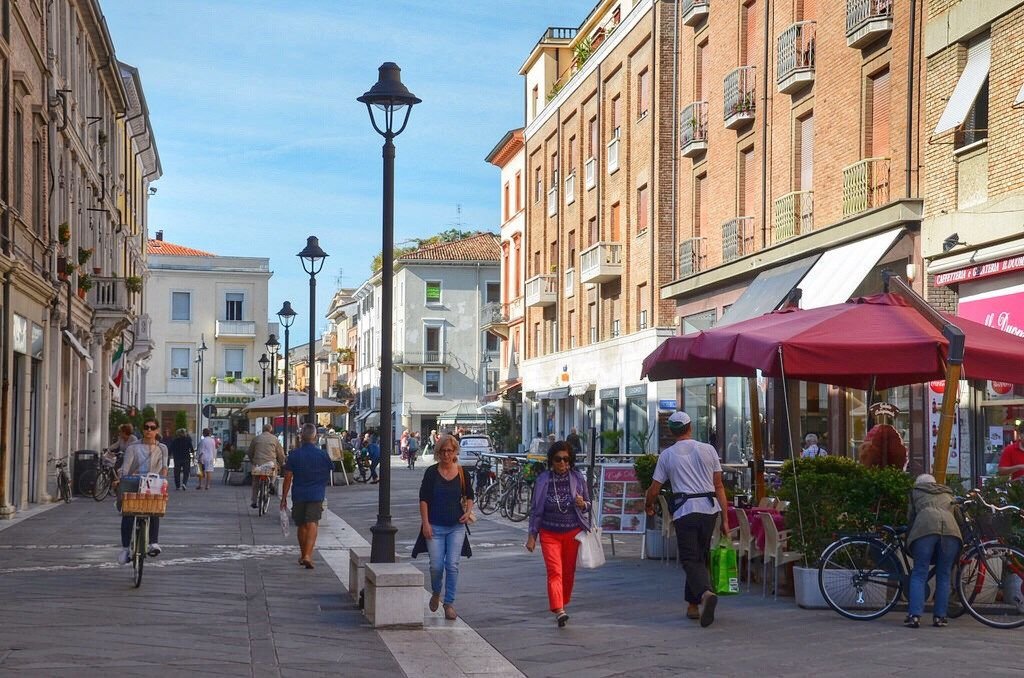
Weed in Rimini: Laws, Beach Risks, and the Party Scene in 2026
Weed in Rimini draws strong interest each summer. The city runs on beach culture, club nights, and youth travel. However, Italian cannabis law still applies in full. Therefore, while small personal amounts are decriminalized, buying or selling remains a criminal offence. At the same time, the 2025 Security Decree removed most CBD flower from shops, which changed the local hemp market.
Rimini offers access, yet it also carries legal and practical risk. Moreover, summer crowds increase both supply and police presence. This guide explains weed in Rimini through legal rules, street patterns, pricing trends, nightlife flow, CBD status, medical access, and harm reduction in a dense beach setting.
Italian Cannabis Law and Weed in Rimini
Italian drug law does not vary by city. Instead, Rimini follows the national framework under DPR 309/90, as amended. The law draws a firm line between personal use and supply. Consequently, possession and trafficking fall into separate categories with very different outcomes.
Personal Possession
Small amounts of THC-rich cannabis — typically under 5 grams — count as an administrative offence, not a criminal crime. Therefore, jail is not standard for minor possession. However, sanctions still apply.
If police stop someone with a small personal stash:
- Officers confiscate the cannabis.
- A report goes to the Prefecture.
- The Prefect may issue a warning.
- Fines can range from €200 to €500.
- A driving licence or passport may face suspension for one to three months.
Although this is not a criminal record, the process creates inconvenience and cost. Moreover, repeat offences lead to stricter administrative measures.
Cannabis Supply, Sale, and Trafficking
In contrast, selling, buying for resale, or holding amounts that imply dealing remains criminal. Signs include:
- More than 5 grams
- Multiple baggies
- Digital scales
- Large cash sums
In such cases, police may arrest the suspect. Minor dealing charges carry penalties of 2 to 6 years in prison. Meanwhile, large-scale trafficking can bring sentences exceeding 20 years under aggravated provisions. Asset seizure is also common.
Thus, while weed in Rimini feels visible during summer, the supply chain remains fully illegal.
Public Use
Public consumption is illegal. Rimini’s open beaches and club strips increase visibility. Therefore, even small use in crowded zones may trigger intervention, especially during peak season patrols.
Home Growing
Personal cultivation exists in a legal grey area. Court rulings have softened penalties for small home grows intended for personal use. However, growing without authorization remains illegal in statutory law. If authorities suspect distribution, criminal charges follow. For tourists, this issue is largely irrelevant.
Enforcement Patterns in Rimini
Rimini applies national law with seasonal intensity. During winter, enforcement appears routine. However, in July and August, police scale operations near beaches and clubs.
Typical Police Encounters
Stops occur in several contexts:
- Beach patrol checks
- Club security referrals
- ID inspections near nightlife zones
- Traffic stops after late events
If officers find a personal stash under 5 grams, the process usually ends with confiscation and Prefecture referral. Nevertheless, non-EU tourists risk stronger outcomes if they fail to comply. Authorities may notify hotels. In repeated or confrontational cases, deportation threats surface.
On the other hand, suspected dealers face immediate arrest and criminal procedure. Plainclothes officers often monitor known sales corridors during peak nightlife hours.
Therefore, while weed in Rimini circulates widely, enforcement remains active and strategic.
Weed in Rimini: The Beach and Nightlife Market
Rimini’s identity shapes its cannabis scene. The city hosts over 110 beach clubs (bagni), major venues like Cocoricò, and a summer population that can exceed one million visitors. Consequently, demand spikes sharply from June through August.
Primary Zones
Marina Centro (Bagno 10–26)
Daytime beach sales occur discreetly among sunbeds. Hash is common. Dealers move constantly to avoid detection.
Rivazzurra and Park delle Nazioni
Youth clubs and budget hotels create steady evening demand. Both flower and hash circulate.
Club Zones (Cocoricò, Baia Imperiale)
Inside venues, security discourages open deals. However, delivery after events increases, often coordinated through messaging apps.
Hostel and Backpacker Areas
Foreign visitors often receive direct offers. As a result, scams also cluster here.
Sales Methods
- Beach Dealers – Often North African or Balkan crews. Quick exchanges, mid-range quality.
- Local Contacts – Introductions via bar staff or club workers. Slower, but sometimes safer.
- Telegram and App Delivery – Menu-style listings with drop-off points. However, digital traces increase legal exposure.
Although supply feels accessible, each method carries risk. Police monitor repeat patterns, especially during summer festivals.
Cannabis Prices and Product Quality
Prices fluctuate by season and police pressure.
| Type | Off-Season | Peak Summer |
|---|---|---|
| Hash | €5–8/g | €8–12/g |
| Local Flower | €8–12/g | €12–18/g |
| Imports | €15+/g | €20+/g |
Moroccan hash dominates the market. Meanwhile, Italian-grown flower shows uneven quality. Imported strains command higher prices but attract stronger police scrutiny.
Scams increase during tourist peaks. Reports include oregano swaps, synthetic blends, and underweight bags. Therefore, small test purchases reduce loss exposure.
Nightlife Integration
Weed in Rimini intersects directly with party culture. The city markets itself as a European rave hub. Consequently, cannabis functions as a social accessory within youth groups.
Beach Clubs
Day drinking and casual smoking blend into the aperitivo atmosphere. However, visible smoke near security staff raises risk.
Major Clubs
Cocoricò and Baia Imperiale draw international crowds. Security checks at entry limit on-site dealing. Therefore, most transactions occur before arrival or through post-event delivery.
Party Boats and Afterhours
Although these spaces feel informal, maritime police and random inspections occur. As a result, confined settings increase exposure risk.
In short, nightlife tolerance does not equal legal safety.
CBD and the 2025 Security Decree
Before 2025, Rimini hosted multiple “cannabis light” shops. These stores sold low-THC hemp flower under regulatory loopholes. However, Decree-Law 48 reclassified hemp inflorescences as narcotic substances.
As a result:
- CBD flower and resin are banned.
- Oral CBD products require pharmacy prescription.
- Hemp seeds and fiber remain legal for food or cosmetic use.
Most CBD shops either closed or shifted to non-psychoactive goods. Therefore, no legal “light weed” alternative exists in Rimini today.
Medical Cannabis Access
Italy permits medical cannabis for specific conditions such as chronic pain, nausea, and spasticity. Pharmacies dispense approved products with Italian specialist prescriptions.
However:
- Foreign prescriptions lack validity.
- Tourists cannot access dispensary-style services.
- Importing cannabis into Italy remains illegal.
Thus, medical channels do not serve short-term visitors seeking weed in Rimini.
Harm Reduction in a Beach Environment
Rimini’s coastal climate and party tempo create unique health factors.
Physical Health
Heat and alcohol amplify dehydration. Therefore, users should hydrate heavily. High-THC products combined with sun exposure may trigger anxiety or dizziness. Moreover, edibles act slowly and unpredictably in rave settings.
Avoid mixing strong cannabis with heavy alcohol after clubs. Falls and confrontations increase under impairment.
Legal Risk Reduction
- Carry minimal quantities.
- Avoid visible exchanges near bagni security.
- Refrain from using near police patrol paths.
- Do not store cannabis in obvious pockets during ID checks.
- Limit digital coordination through traceable channels.
Although discretion reduces exposure, no method eliminates legal risk.
Medical Emergency
If someone experiences panic, dehydration, or collapse, call 118 for ambulance services. Italian hospitals prioritize care over prosecution in medical contexts.
Social Attitudes and Local Culture
Rimini’s 18–25 crowd normalizes cannabis use within peer groups. Beach smoke is not rare. Meanwhile, club management often ignores low-key use that does not disrupt business.
However, law enforcement reflects national policy, not party culture. The 2025 CBD ban signals a more conservative national direction. Therefore, visible tolerance should not be mistaken for legalization.
Tourists, in particular, attract attention. Dealers may target them for higher prices. Police may also monitor them more closely in nightlife zones.
Travel and Border Considerations
Rimini visitors often arrive via:
- Federico Fellini Airport
- Bologna Airport (then train)
- Rimini Train Station
Airports deploy scanners and canine units. Even residue can cause problems. Train platforms also host periodic inspections. Consequently, transporting cannabis into Italy carries substantial risk.
Non-EU travelers face stronger immigration outcomes if violations escalate.
FAQ: Weed in Rimini
Is weed legal in Rimini?
No. Small personal possession is decriminalized administratively, but supply and sale are criminal.
Is beach smoking safe?
Discreet personal use may go unnoticed; sales or visible dealing attract enforcement.
Can tourists buy CBD flower?
No. CBD flower is banned. Prescription CBD only.
What are typical summer prices?
€8–20 per gram depending on type and demand.
Can tourists be deported?
In repeat or aggravated cases, yes. Administrative fines are more common for small possession.
Conclusion: Weed in Rimini in 2026
Weed in Rimini remains accessible due to nightlife density and summer demand. However, Italian law still defines cannabis as illegal outside narrow medical channels. Therefore, possession under 5 grams leads to administrative sanctions, while buying or selling exposes individuals to criminal charges.
Moreover, the 2025 Security Decree eliminated CBD flower as a legal workaround. Although social tolerance persists within youth culture, enforcement intensifies during peak season.
In practical terms, Rimini offers opportunity layered with risk. Visibility, crowd flow, and digital coordination increase exposure. Consequently, anyone navigating the beach party scene must balance demand, discretion, health awareness, and legal reality.
No Comments